
About AstroDaily
We write about astrology the way we would write about any other system for describing people: carefully, and with more interest in the questions it opens than the answers it claims. Here is what that commits us to.
We write about astrology the way we would write about any other system for describing people: carefully, and with more interest in the questions it opens than the answers it claims. Here is what that commits us to.

A natal chart is not a forecast, and it was never much good as one. It is a diagram of the sky at a particular minute — and the more honestly you read it, the more interesting it gets.
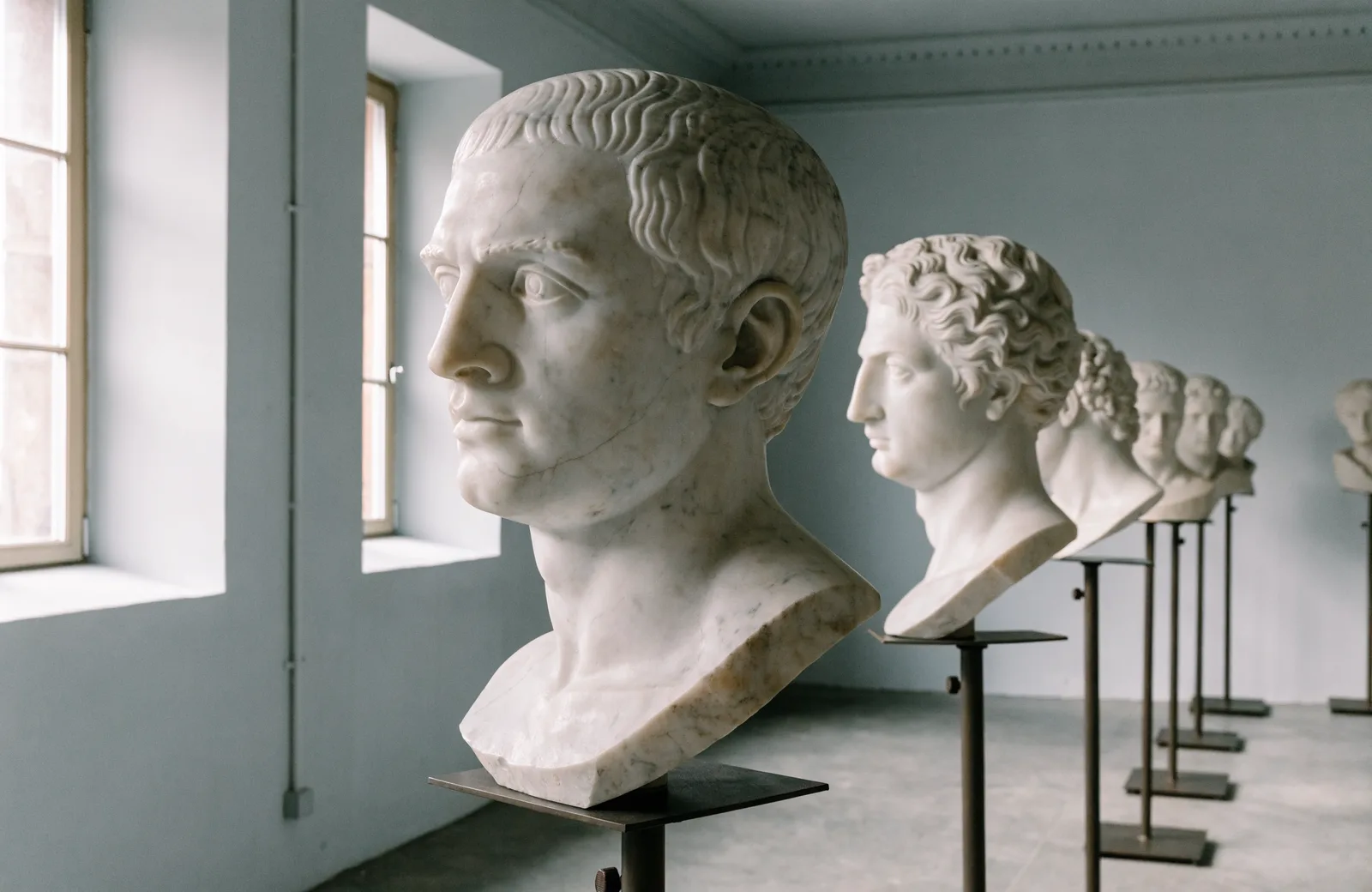
The hero, the mother, the trickster and the shadow turn up in Bronze Age epics, Victorian novels, HR workshops and horoscopes alike. Their persistence is either evidence of something deep in us or evidence of how little it takes to persuade us, and the difference is worth working out.

Comparing two birth charts can produce a percentage, or it can produce a description of the argument you keep having. Only one of those is worth reading.
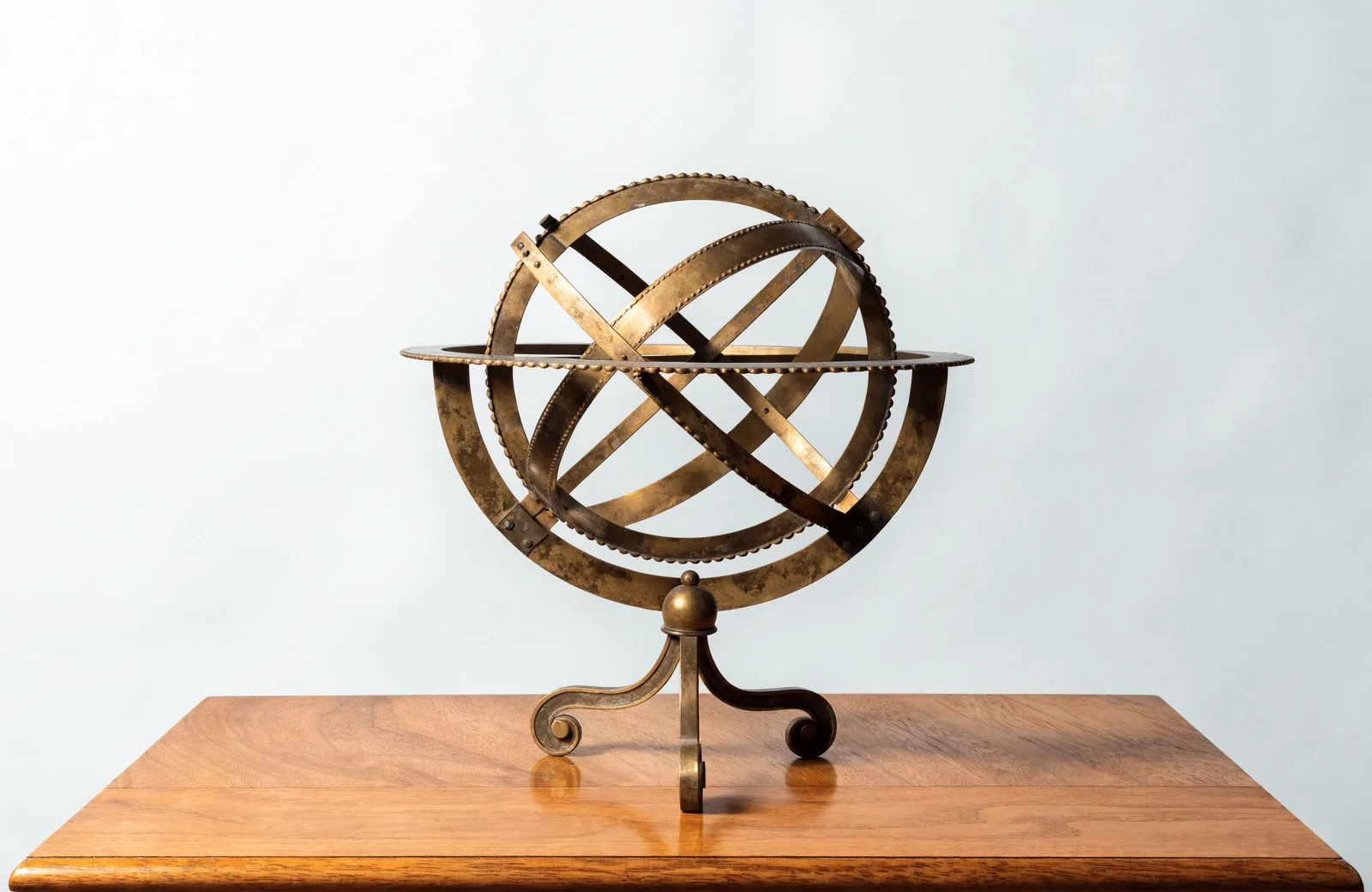
The houses are the least glamorous part of a birth chart and the part that does the most work — they are what turns a diagram of planets into something that sounds like a life. They are also the part astrologers cannot agree on, which tells you something worth knowing.